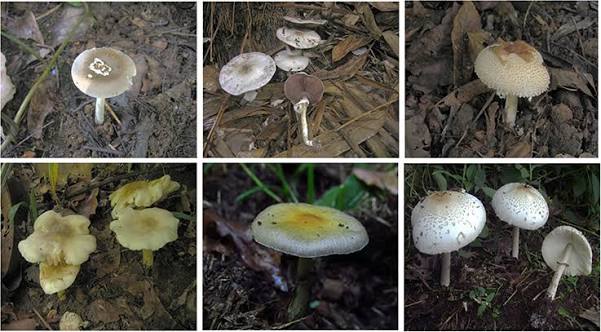

Fungi are useful in the human world in numerous ways, including use as food, in scientific studies and in traditional medicine. Not all fungi are alike, though, and they can have widely differing effects on different fungi, with other chemical make-up. Identifying fungi’s culinary, medicinal and psychoactive uses provides an informed basis for their use and potential hazards.
The world’s interest in fungi has also become more in demand with more information regarding their various uses. For instance, if someone were to go on the hunt for shrooms delivery, they might stumble upon items that include psychoactive compounds.. Here are the key differences:
-
Culinary Fungi: Food and Flavour
The principal use of culinary fungi is as ingredients due to nutritional value. Button mushrooms and porcini mushrooms are common examples. They have different applications in culinary arts in different parts of the world. These can be a good source of fibre, B vitamins and minerals. But their nutritional value varies according to species and method of preparation.
One of the good features of these mushrooms is that they can add so much to a dish without having to master complicated preparation techniques. Some of them taste quite mild, while others give a nice savoury taste which can be used when making soups, sauces and stir-fries.
-
Medicinal Fungi: Research and Wellness
Fungi play a role in the production of compounds which could affect biological processes and be beneficial in certain health applications. Thus, medicinal fungi are used for studying these compounds. Commonly talked about herbs and mushrooms for immune function, brain health, and other aspects of human health include reishi, turkey tail and lion’s mane. But the traditional uses still do not make a mushroom medicine to treat.
The effects of medicinal fungi depend on the quality of the product. However, there are mushroom supplements that can interact with medications. Mushroom users should consult qualified medical advice before using them for health reasons.
-
Psychoactive Fungi: Effects on Perception
Psychoactive fungi are those that can have a psychoactive action on the brain, resulting in a change in mood, sensory experiences, thoughts or perception. Some species of Psilocybe produce psilocybin, which is metabolized by the body into psilocin, a compound that is a ligand of serotonin receptors. Their effects are dependent on the quantity ingested, the individual, the surroundings and other substances consumed.
While most culinary mushrooms are eaten for their nutritive value, most of the desired effects from psychoactive mushrooms do not compare to those of mushroom products. Major side effects include anxiety, confusion, and poor judgment and, in some cases, potentially harmful behaviour, which can be more serious in some situations.
There are a variety of fungi that have culinary, medicinal and psychoactive applications. Each of these fungi has certain considerations and is not interchangeable. The culinary and medicinal varieties make their way into meals and are important for future research. It sets the stage for a deeper appreciation of the significance fungi hold for the food and human experience.


